Description
Condition: New Application: Currency Cassette Access / Cash Replenishment Compatibility: Hyosung Retail Series (MB, NH, Halo)
Technical Overview
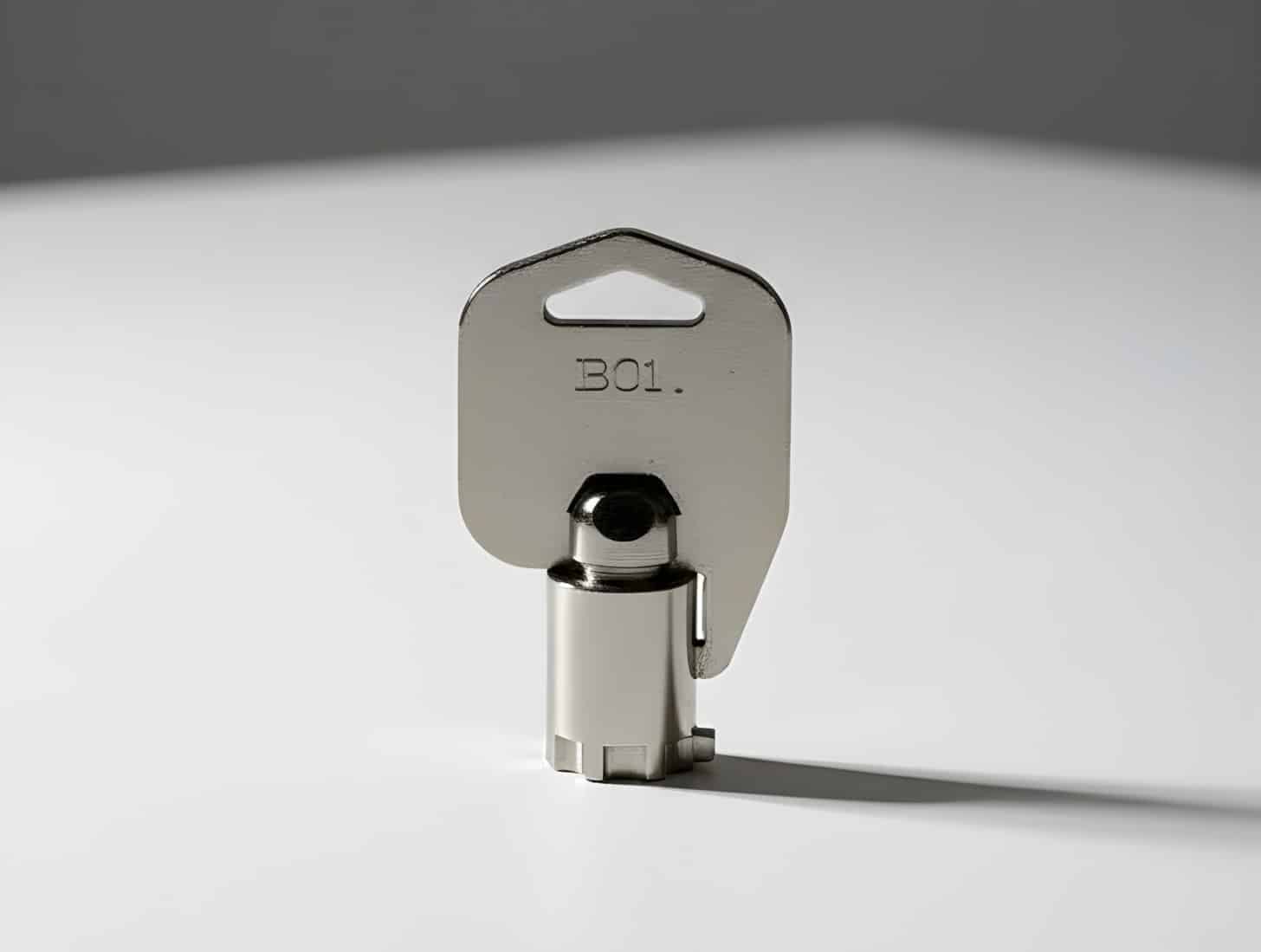
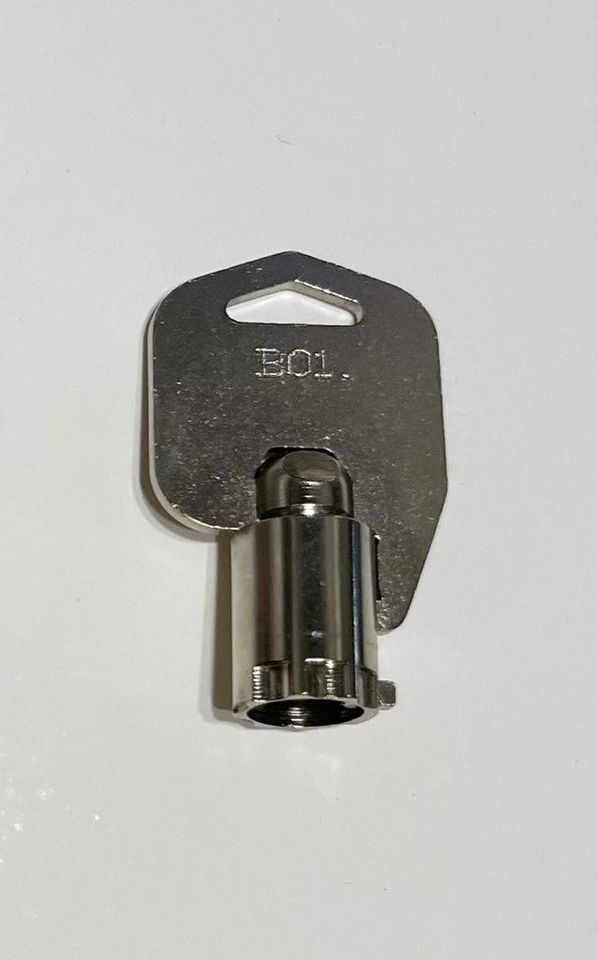
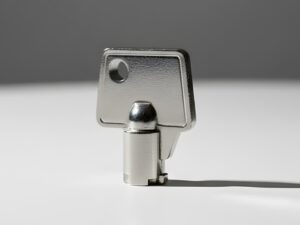
The Hyosung Cassette Key is a specialized security tool designed specifically for the locking mechanism on standard Hyosung retail currency cassettes (cash canisters). This key operates the cylinder lock located on the cassette lid, releasing the internal latch to allow the canister to be opened for cash loading.
Unlike the bezel key (which opens the machine cabinet) or the vault keys (which access the safe), this key interacts solely with the removable cash storage unit. It is an essential component for Cash-In-Transit (CIT) procedures and merchant cash replenishment.
Operational Utility
In a functional ATM environment, the cash cassette is the primary storage medium for currency. This key ensures the security of the cash during transport and storage outside the vault.
- Replenishment: The key is required to unlock the cassette lid to load fresh currency notes.
- Reject Retrieval: Access is necessary to retrieve rejected notes that may be stored in the cassette’s divert compartment (depending on the cassette configuration).
- Security Protocol: It allows the cassette to be locked before being inserted into the dispenser, ensuring the lid cannot pop open during the mechanical “pick” operation inside the ATM.
Compatibility
This key utilizes a standardized cut profile compatible with the locking cylinders found on the cash cassettes of the following Nautilus Hyosung retail models:
- MB Series: MB1000, MB1500
- NH Series: NH1800, NH1800CE, NH1800SE, NH2700, NH5000
- Halo Series: Halo, Halo II
Note: This key is designed for standard retail cassettes (1K, 2K, etc.). It typically works across the legacy and modern retail fleet listed above.
Service and Maintenance Notes
- Key Management: It is critical for route drivers and merchants to maintain duplicate sets of cassette keys. A lost cassette key requires the lock to be drilled out to recover the cash inside, which permanently damages the cassette assembly.
- Lock Operation: Cassette locks are often integrated into plastic housing. When unlocking, ensure the key is fully inserted before turning. Applying torque to a partially inserted key can damage the wafers inside the lock cylinder or crack the plastic housing of the cassette lid.
- Visual Inspection: Regularly check the key for twisting or stress fractures. A bent key can snap off inside the cylinder, rendering the cassette unusable until repaired.




Reviews
There are no reviews yet.