When customers have easy access to cash right there in your store, they tend to spend more. It’s just human nature—cash in hand feels more “spendable” than waiting to find another ATM down the street. Plus, every time someone withdraws money, you’re collecting a surcharge fee. That adds up faster than you’d expect.
There’s also the practical side: you’re cutting down on those card processing fees that eat into your margins. And here’s something people don’t always think about—depending on your location and foot traffic, a single machine can quietly bring in several hundred dollars monthly without much effort on your part.
That’s why more business owners are looking into everything from ATM machine parts to complete turnkey setups. But before you jump in, you need a solid game plan.
Step 1: Get Real About the Costs and How Ownership Actually Works
What You’ll Pay Upfront
ATM prices are all over the map. You can find basic, no-frills machines starting around $20,000. These get the job done if you’re just testing the waters. But if you want something with more bells and whistles—think multiple cash cassettes, a bigger touchscreen, better connectivity options—you’re looking at closer to $25,000 or even more.
The Ongoing Expenses People Forget About
Buying the machine is just the beginning. Here’s what else you need to budget for:
Cash loading: You need actual money in the machine for people to withdraw. Depending on how busy your location is, you might need anywhere from $1,500 to $3,000 in cash loaded weekly. That’s not an expense per se, but it’s cash you need to have available and cycling through.
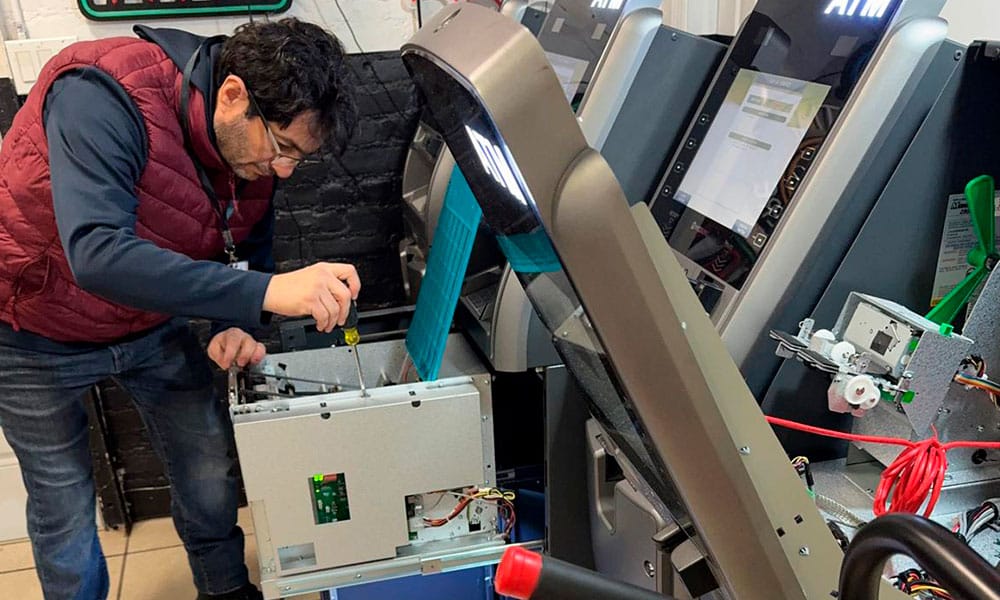
Maintenance and supplies: Plan on spending $200 to $300 per year, possibly more. Machines need routine care—cleaning, replacing worn automated teller machine parts, and keeping everything running smoothly.
Processing and connectivity: Your ATM needs to connect to banking networks. There are monthly fees for that. And if you’re putting the machine in someone else’s location, you might split revenue or pay some kind of placement fee.
How You’ll Make Money
The revenue model is pretty straightforward. Every transaction generates a surcharge fee that goes to you (usually $2 to $4 per withdrawal, though you set this). With decent foot traffic, one machine can legitimately earn hundreds of dollars monthly. Plus, there’s the indirect benefit—people withdrawing cash often spend it right there in your business.
Different Ways to Own and Operate
You’ve got options here:
Full ownership: You buy the machine, you load the cash, you handle maintenance, you keep all the surcharge revenue. Maximum work, maximum profit.
Placement agreement: A company installs and services the machine in your location. You host it, they handle the heavy lifting, and you split the surcharge fees.
Step 2: Picking the Right Machine for Your Space
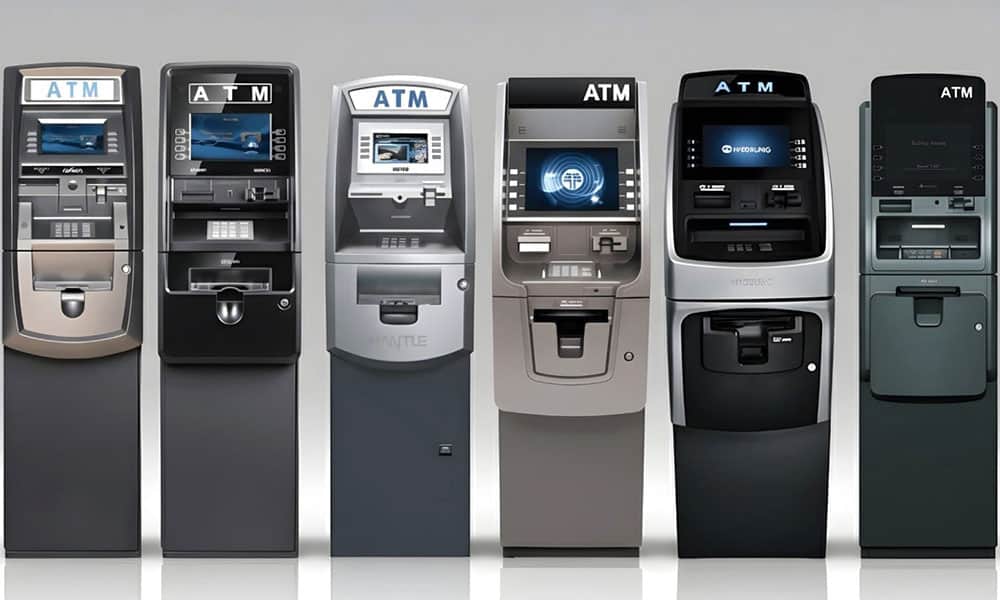
Don’t just go with the cheapest option. You want a manufacturer known for reliability and—this is crucial—good availability of ATM parts suppliers. When something breaks (and eventually, something will), you don’t want to wait weeks for obscure parts. Choose brands with solid track records and responsive support.
Features Worth Paying Attention To
How many cash cassettes do you need? Will you connect via WiFi, ethernet, or cellular? What about screen size and interface quality? These aren’t just nice-to-haves—they affect both user experience and your operational headaches.
Don’t Skip Compliance and Connectivity
Your machine needs to support EMV chip cards (that’s non-negotiable at this point). Check that it’s ADA-compliant if your location requires it. And make sure it connects reliably to processing networks—an ATM that can’t complete transactions is just an expensive paperweight.
This is also when you should start thinking about ATM supplies and replacement parts for an ATM. Having access to quality components—printer heads, paper rolls, card readers—from reputable suppliers means less downtime when something needs fixing.
Step 3: Find a Supplier You Can Actually Trust
Here’s where a lot of first-time buyers go wrong. They focus entirely on the upfront price and forget that buying an ATM is the beginning of a long-term relationship with your supplier.
What Good Support Actually Looks Like
You want a supplier offering:
Transparent pricing: No surprise fees six months down the road. Everything should be clear from the start.
Installation help: Even if you’re handy, proper installation matters. Training on how to operate and maintain the machine is part of the deal.
Ongoing maintenance support: When the ATM cassette jams at 4 PM on a Saturday, you need someone to call.
Easy access to parts: Whether it’s routine ATM supplies or emergency automated teller machine parts, you want a supplier who keeps things in stock and ships fast.
Why Specialized ATM Suppliers Matter
There are plenty of vendors out there selling machines. But you want someone who truly specializes in the ATM business—companies that understand ATM machine parts, know the processing side inside and out, and have experience helping operators succeed. Dollar ATM Club is one example of a supplier that handles both the initial machine sale and the ongoing support ecosystem you’ll need.
Step 4: Getting Your ATM Installed and Secured Properly
You’ve got your machine. Now what?
Location Is Everything
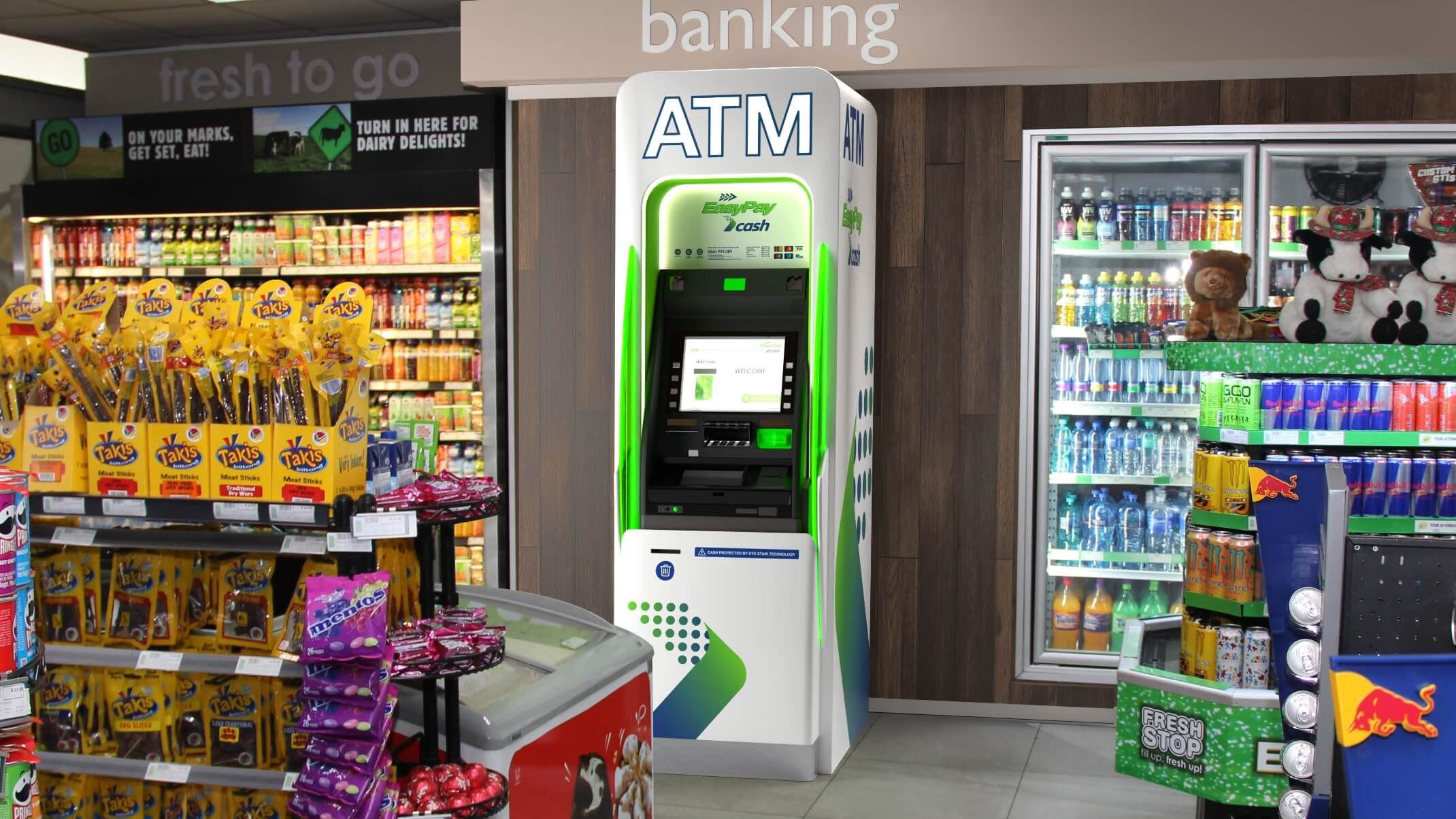
Put your ATM where people can actually see and access it easily. High foot traffic areas work best. Good lighting isn’t just about security—it makes people more comfortable using the machine. Visibility drives usage, and usage drives revenue.
The Physical Setup
Secure your machine properly. That means bolting it to the floor or wall—not optional. Verify you’ve got reliable power and network connectivity before the installer leaves. Whether you’re using Ethernet, WiFi, or a cellular modem, test it thoroughly.
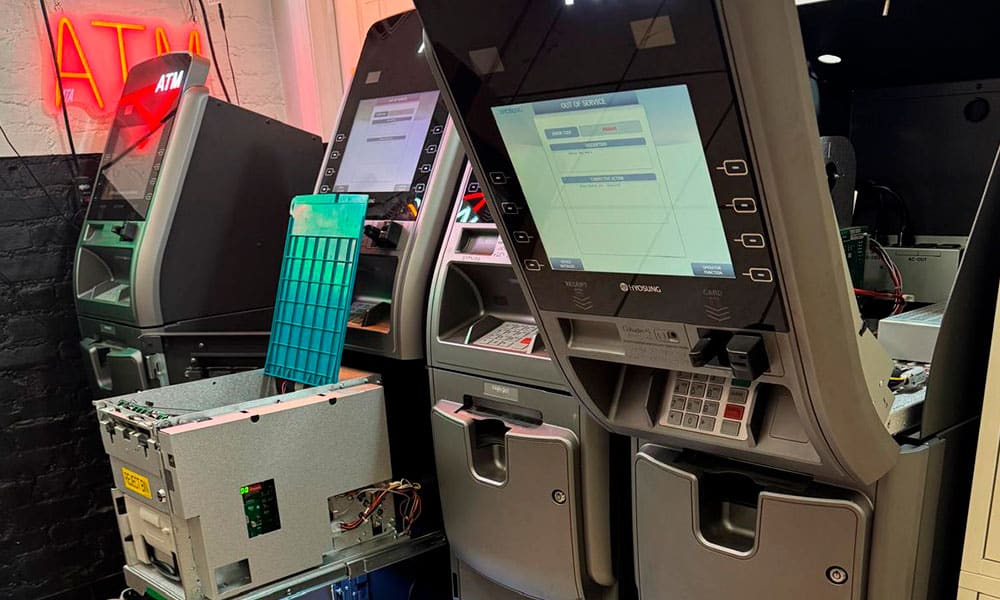
Pay special attention to the security of your internal parts of the ATM machine—especially the card reader, cash cassettes, and power supply. These are the components most vulnerable to tampering.
Security Isn’t Just About the Machine
Think holistically about security. Is there surveillance? Is the area well-lit at night? Are you following best practices to prevent card skimming, especially around the card reader?
Also, check if your city or state has specific permits or regulatory requirements for operating an ATM. Better to know upfront than get surprised later.
Step 5: The Day-to-Day Reality of Running Your ATM
Once it’s up and running, here’s what your life looks like.
Managing the Cash Flow
You’ll need a system for loading cash into your machine. How often depends on transaction volume—some locations need weekly refills, others can go longer. You’re looking at having several thousand dollars cycling through on any given week.
This is where transaction monitoring becomes important. You don’t want the machine running dry (frustrated customers), but you also don’t want excessive cash sitting idle (security risk, tied-up capital).
Maintenance Keeps Everything Running
Set up a regular maintenance routine. Clean the machine, check the ATM cassette, inspect the printer, card reader, screen, and keypad. Replace worn components before they fail completely. Having a good inventory of basic ATM supplies on hand means you can handle minor issues yourself without waiting for a technician.
This is why choosing a vendor with reliable access to parts of an ATM matters so much. Downtime kills revenue. Fast access to automated teller machine parts means you’re back in business quickly.
Monitoring and Reporting
If your machine supports remote monitoring (and most modern ones do), set it up. Being able to check transaction counts, cash levels, and machine health from your phone or computer is incredibly valuable. You can spot problems before they become emergencies and plan your cash loading more efficiently.
Let People Know It’s There
Don’t assume customers will notice your ATM. Put up clear signage—”ATM inside” works great. Mention it on social media if you’re active there. Make sure it’s visible from the entrance. The more people who know about it, the more transactions you’ll see.
Step 6: Track Performance and Adjust Your Strategy
After you’ve been operating for a few months, sit down and look at the numbers honestly.
How many transactions are you getting monthly? What’s your average surcharge revenue looking like? What are your actual costs—cash loading, maintenance, connectivity, and any location fees?
Also consider the indirect impact. Has foot traffic increased? Are people spending more cash in your business after withdrawing it?
If the numbers aren’t where you want them, don’t panic. Try adjusting your surcharge fee (within reason—going too high can backfire). Maybe the machine needs to be in a more visible spot. Sometimes upgrading features or improving signage makes a real difference.
A good supplier will work with you on optimization. This shouldn’t feel like you’re on your own once the sale is done.
Why Getting the Right Parts and Supplies Actually Matters
Let’s zoom out for a second. When you buy an ATM, you’re not just buying a metal box that dispenses cash. You’re committing to an ecosystem of automated teller machine parts, ongoing ATM supplies, and all the little components that keep everything working smoothly over the machine’s lifetime.
If you can easily get what you need through a trusted supplier or ATM part, your machine stays in service longer with way fewer headaches. Every hour of downtime is money you’re not making.